
Job Loss in America: How It Will Affect Credit and Spending for 2026
- Lynette Marshall

- Dec 30, 2025
- 5 min read
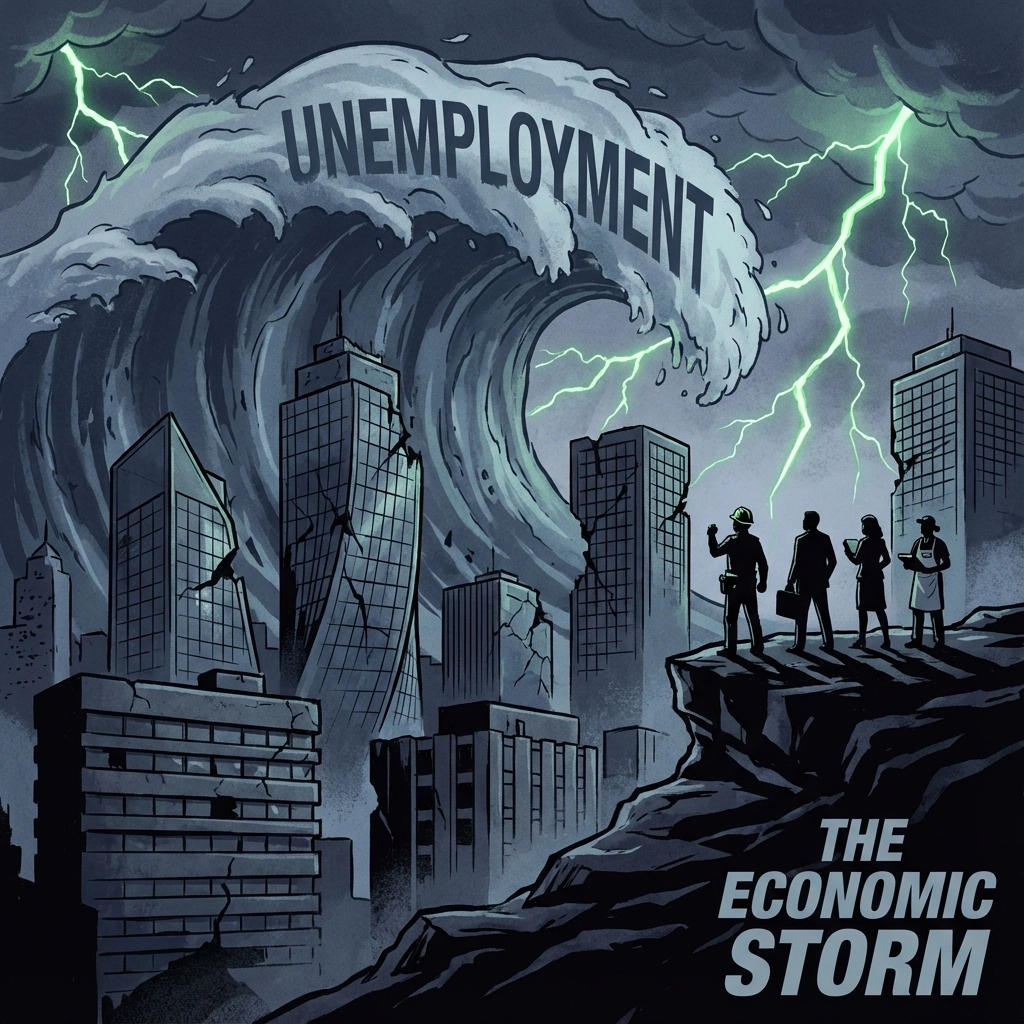
Real talk - 2026 is shaping up to be a rough ride for American workers, and if you're not prepared, your credit score is about to take a beating alongside your bank account. With 15 million Americans already struggling to find gainful employment and 56,740 confirmed layoffs scheduled for just the first quarter, we're looking at a perfect storm that's gonna hit your financial life from every angle.
But here's the thing - storms pass, and with the right armor, you can weather this one without your credit becoming collateral damage. Let's break down what's really happening and how to suit up for what's coming.
The Hard Truth About America's Job Market Reality
The numbers don't lie, and they're not pretty. Unemployment jumped from 4.1% in June to 4.6% by November, and Goldman Sachs is projecting it'll hover around 4.5% through 2026. That might not sound catastrophic, but when you're talking about millions of families, every percentage point represents real people facing real financial stress.
What makes this situation particularly dangerous is the stagnant labor market economists are warning about. We're not just talking about temporary layoffs - this is "slow job growth, higher unemployment, and stickier inflation" territory. Translation? Finding a new job is gonna take longer, and everything costs more while you're searching.
How Job Loss Becomes Credit Score Destruction
Here's where most people get blindsided - losing your job doesn't just affect your income today, it starts a domino effect that can destroy years of credit-building progress. Let me walk you through exactly how this plays out:
Month 1-2: The Grace Period Illusion Most folks think they've got time. Savings account still has some cushion, credit cards seem manageable. But this is when smart people start making their first moves to protect their credit.
Month 3-4: The Squeeze Begins Savings depleted, unemployment benefits barely covering basics. This is when people start choosing between rent and credit card payments. Spoiler alert: most choose rent, and that's when credit scores start their nosedive.
Month 5+: Credit Score Freefall Late payments hit your credit report. Utilization rates spike as you lean on credit cards for survival. Collection calls start. Your credit score that took years to build can drop 100+ points in a matter of months.
The cruel irony? Just when you need credit most - to bridge the gap until you find work - your access to it disappears.
The Spending Death Spiral Nobody Talks About
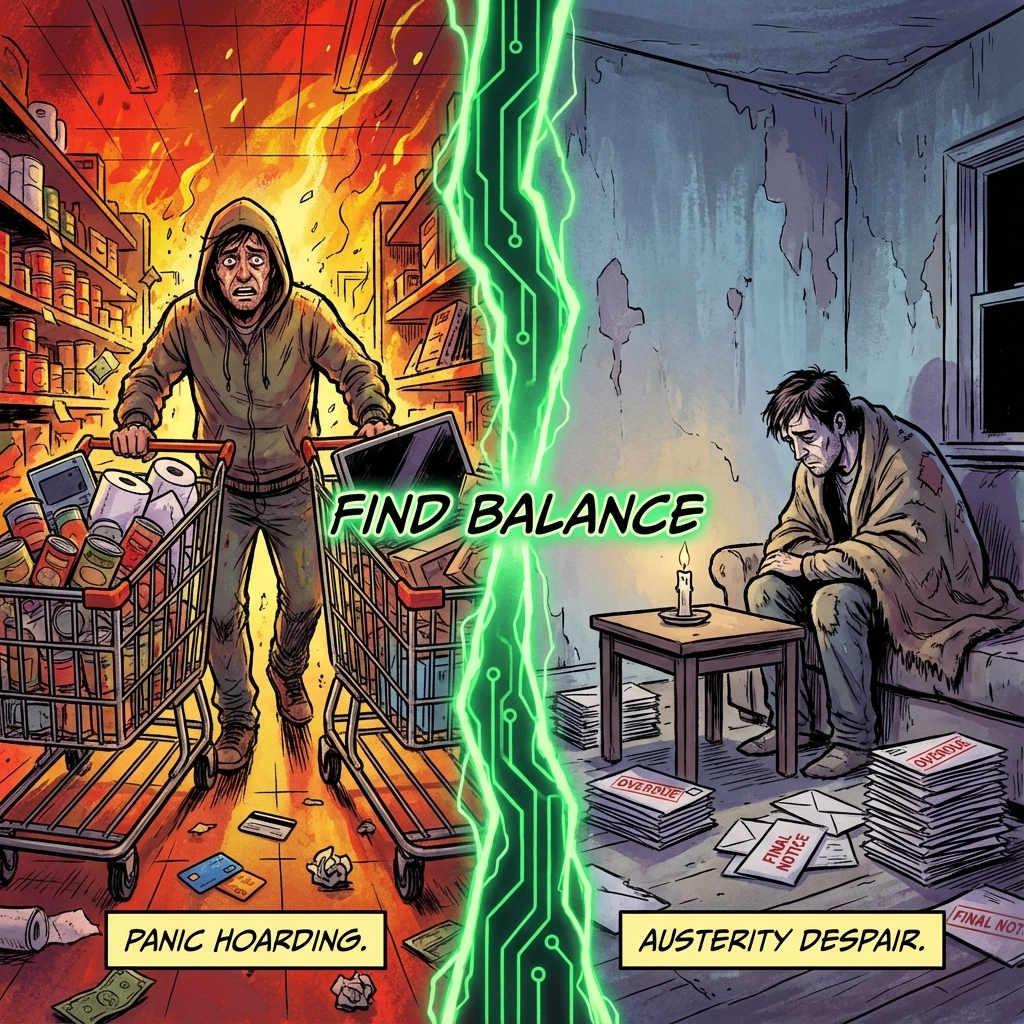
Job loss doesn't just cut your income - it completely rewires how you think about money, and not always in healthy ways. I've seen two dangerous patterns emerge:
Pattern 1: Panic Hoarding Fear makes people stockpile everything from groceries to household items, maxing out credit cards "just in case." This creates massive debt that follows you long after you're back on your feet.
Pattern 2: Complete Shutdown Others go the opposite direction - they stop all spending, even necessary maintenance on cars, homes, or health. This creates bigger, more expensive problems down the road.
Both approaches can trap you in cycles that outlast your unemployment by years.
Your Credit Protection Battle Plan
Listen, you can't control the job market, but you can absolutely control how you respond to it. Here's your mission plan for protecting your credit when the income stops:
Step 1: Contact Creditors Before You're Late Don't wait until you miss a payment. Call your credit card companies, mortgage lender, car loan company - everyone. Many have hardship programs that can temporarily reduce payments or defer them without damaging your credit. But these programs only work if you call BEFORE you're behind.
Step 2: Prioritize Your Payments Like a Pro Not all debts are created equal. Secured debts (mortgage, car loans) come first - lose these and you lose the asset. Credit cards are unsecured debt - they can't repossess your dinner, but they can destroy your credit score. Navigate this carefully.
Step 3: Understand Your Credit Utilization Even if you're making minimum payments, maxing out your credit cards will tank your score. Keep utilization below 30% if possible, under 10% if you can swing it. Sometimes it's better to use multiple cards at low balances than max out one.
Step 4: Document Everything Keep records of every hardship conversation, every payment agreement, every unemployment benefit. When you're ready to rebuild, this documentation becomes ammunition for credit repair.
Smart Spending Strategies When Every Dollar Counts
The key to surviving unemployment without creating long-term financial damage is strategic spending. Here's how to make every dollar work:
The 50/30/20 Unemployment Rule
50% for absolute necessities (housing, utilities, basic food)
30% for debt minimum payments and credit protection
20% for job search expenses and small emergency buffer
Cut Smart, Not Deep Eliminate subscription services, but keep your phone and internet - you need these for job hunting. Cancel gym memberships but keep walking for exercise. The goal is reducing expenses without making it harder to get back on your feet.
Generate Income Creatively Sell items you don't need, but don't sell everything - you'll just have to rebuy it later. Consider gig work that fits your schedule, but don't let it interfere with serious job searching.

Why DIY Credit Management Fails During Crisis
Here's where most people mess up - they think they can handle credit issues alone during the most stressful time of their lives. You're already dealing with job loss anxiety, family stress, and financial pressure. Adding complex credit negotiations to your plate is like trying to perform surgery on yourself.
Professional credit repair isn't just about disputing errors (though that's important). It's about having experts who know exactly which hardship programs work, which creditors will negotiate, and how to document everything properly for future credit rebuilding.
How Credit Avengers Provides Your Financial Armor
At Credit Avengers, we don't just wait until your credit is destroyed to help you fix it. We're about proactive protection and strategic planning. When job loss hits, you need a squad that understands the battlefield.
Our real agents don't just send automated dispute letters like those DIY apps. We work with you to create a comprehensive strategy that protects your credit while you navigate unemployment. We handle the heavy lifting with creditors while you focus on finding work.
We Help You:
Negotiate with creditors before damage occurs
Understand which debts to prioritize during crisis
Document everything properly for future credit rebuilding
Create realistic payment plans that work with unemployment benefits
Dispute errors that could be costing you points when you can't afford to lose them
The 2026 Recovery Reality Check
Here's what nobody's telling you about the road back - even after you find work, the credit damage from unemployment can follow you for years. Higher interest rates on everything from credit cards to mortgages. Difficulty qualifying for apartments. Even some employers run credit checks.
But here's the good news: with the right strategy during unemployment and expert help afterward, you can not only recover your credit but often improve it beyond where it was before the crisis.
Your Next Move
The job market might be uncertain, but your response doesn't have to be. Whether you're currently employed and want to armor up for potential changes, or you're already navigating unemployment and need immediate credit protection, having expert support makes the difference between temporary hardship and long-term financial damage.
Don't let job loss become credit destruction. Visit creditavengersservices.com to speak with real agents who understand the connection between employment changes and credit health. Because when the economy shifts, your credit doesn't have to crumble with it.
Your financial future is worth fighting for - and you don't have to fight alone.
Comments